Anime villains spend entire arcs explaining elaborate plans only to have the protagonist destroy everything during the final battle. It is practically part of the formula.
But every now and then, the heroes are too late.
The antagonist reaches the finish line. The ritual works, the world changes, or the supposedly impossible objective actually happens. Sometimes the victory lasts only a few minutes. In other cases, the villain gets almost exactly what they wanted.
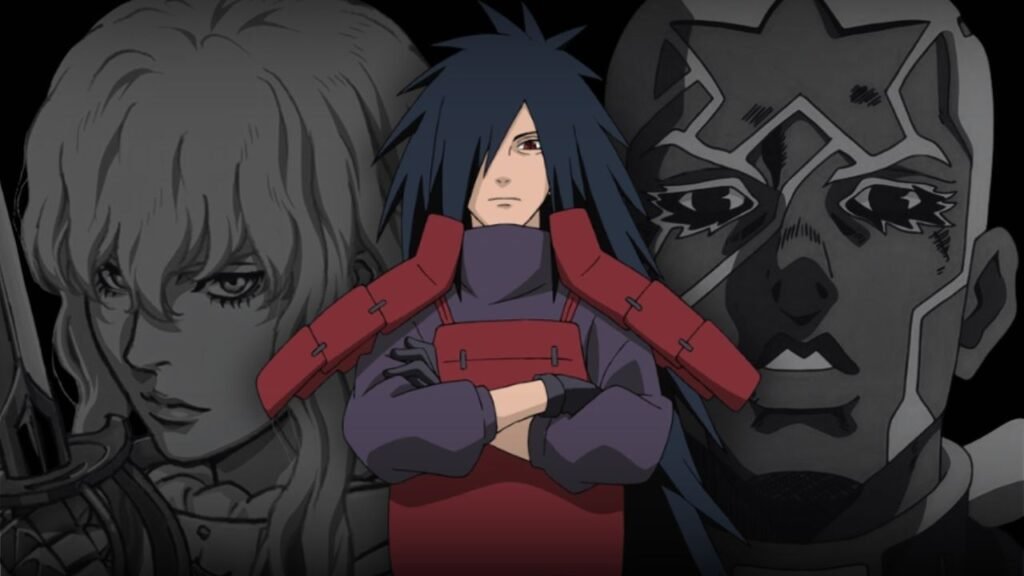
That distinction matters here. “Achieving their goal” does not necessarily mean permanently winning the story. Madara and Father, for example, eventually lose, but only after successfully completing plans that the protagonists spent much of the series trying to prevent.
And then there is Griffith, which is a considerably uglier conversation.
Major spoiler warning: This article discusses endings and major plot developments from Berserk, Shaman King, JoJo’s Bizarre Adventure: Stone Ocean, Hellsing Ultimate, Naruto: Shippuden and Fullmetal Alchemist: Brotherhood.
6. Fullmetal Alchemist: Brotherhood — Father Actually Reaches God
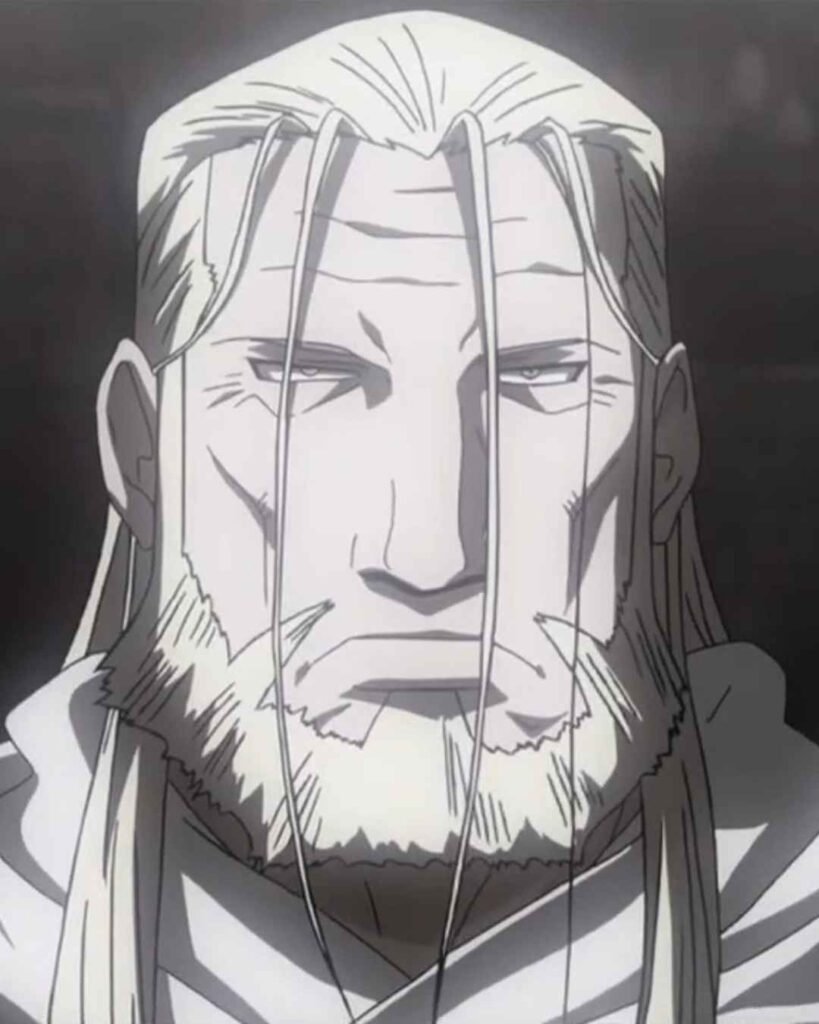
Father spends most of Fullmetal Alchemist: Brotherhood playing a much longer game than Edward and Alphonse initially realize.
The wars, the bloodshed across Amestris, the Homunculi and even the shape of the country itself are pieces of one enormous transmutation circle. Father wants enough power to break free from the limitations imposed on him and absorb the being he identifies as God.
And the uncomfortable part is that he succeeds.
During the Promised Day, the nationwide transmutation circle activates. The five Human Sacrifices are brought together, Amestris becomes part of Father’s transmutation, and he pulls the power beyond the Gate into himself. Episode 60, “Eye of Heaven, Gateway of Earth,” is essentially the moment when the plan the series has been building toward finally comes together.
For a brief period, Father has obtained exactly what he wanted.
That victory does not last. Hohenheim has spent years preparing his own countermeasure, using the souls within his Philosopher’s Stone to undermine Father’s nationwide circle. Father eventually loses control of the power he stole and is defeated.
Still, that happens after the heroes fail to prevent the original plan.
That is what makes Father’s ending more interesting than a conventional villain defeat. Edward does not stop the ritual at the final second. Father gets his moment of supposed perfection and discovers that even godlike power cannot fix the fundamental flaw in the person wielding it.
5. Naruto: Shippuden — Madara Casts the Infinite Tsukuyomi
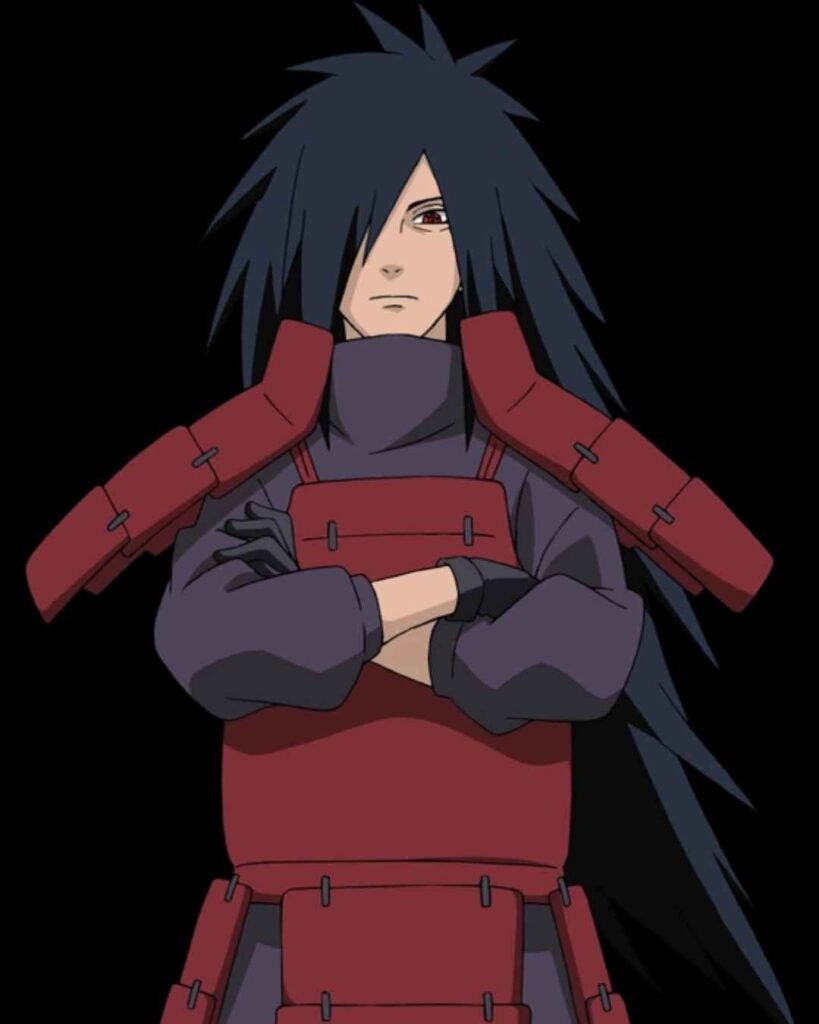
For hundreds of episodes, the Infinite Tsukuyomi feels like the apocalyptic scenario everyone is desperately trying to prevent.
Madara’s worldview is twisted, but it has a recognizable foundation. He has watched generations of shinobi repeat the same cycle of war, hatred and loss. His answer is not to repair that world but to remove humanity’s ability to experience it.
Put everyone inside an endless dream.
The Moon’s Eye Plan requires the Ten-Tails, its Jinchuriki and the power necessary to reflect the Infinite Tsukuyomi from the moon. The Fourth Great Ninja War ultimately becomes a gigantic attempt to make sure Madara never gets all those pieces together.
He does anyway.
The official Naruto site describes Madara’s ambitions as becoming the Ten-Tails’ Jinchuriki and placing the entire world under genjutsu. Later, it explicitly labels the climax “Madara’s Ambitions Realized”: he activates the Infinite Tsukuyomi, and almost everyone outside Sasuke’s protected Team 7 and the reanimated Hokage is trapped.
For one of the biggest antagonists in shonen history, that is a genuine win condition.
Of course, Madara does not get to enjoy it. Black Zetsu betrays him, revealing that events have been manipulated toward Kaguya’s resurrection, and Naruto and Sasuke eventually undo the Infinite Tsukuyomi.
That does not erase what happened beforehand.
Naruto never stops Madara from casting the jutsu. Madara completes the plan himself. He simply discovers that he was never the final player controlling the board.
4. Hellsing Ultimate — The Major Gets the War He Wanted
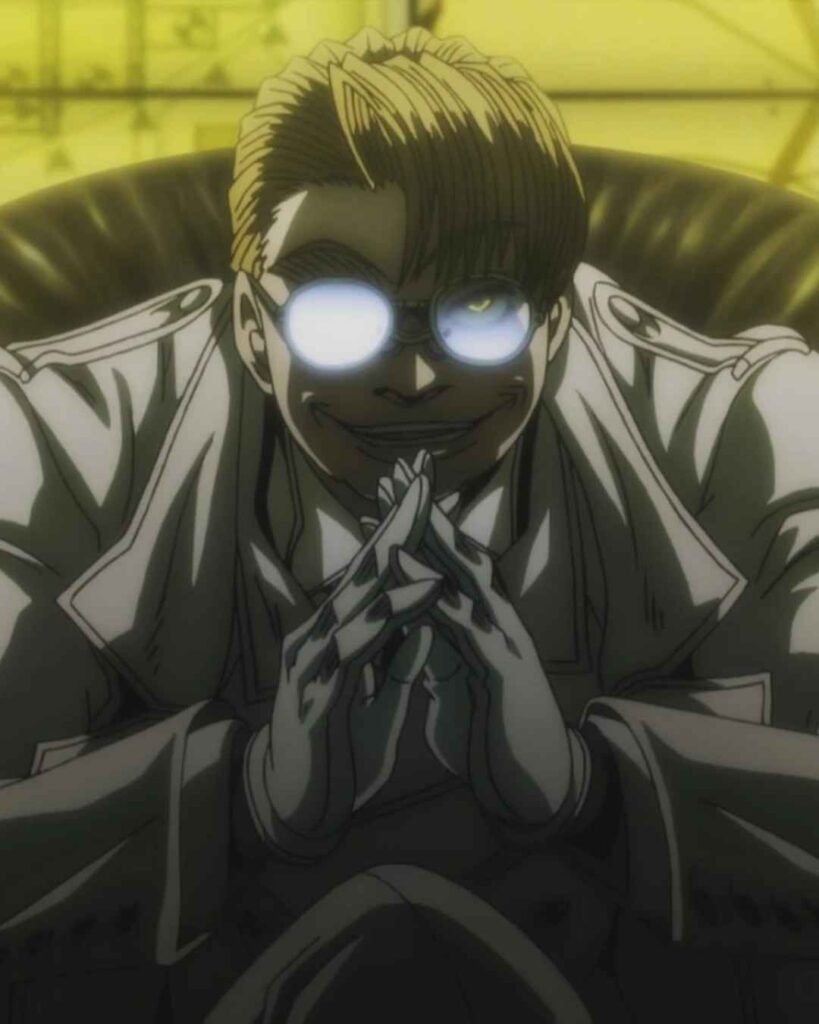
The Major is difficult to compare with most villains on this list because he does not really want a throne, immortality or some supernatural upgrade.
The man simply wants war.
That makes Hellsing Ultimate particularly disturbing. Millennium’s assault on London causes horrifying destruction, but from the Major’s perspective, destruction is not collateral damage. It is the point.
His obsession also becomes deeply personal when it comes to Alucard. The Major had encountered him decades earlier, and his eventual operation is designed not only to create his beloved battlefield but to remove the vampire who represents everything he despises.
The weapon that finally does it is Schrödinger.
By allowing Schrödinger to enter the sea of blood Alucard absorbs, the Major creates a contradiction inside him. Alucard can no longer properly recognize himself among the countless souls he carries and disappears from reality.
So when the Major dies, he has already received the two things he cared about most: his grand war happened, and Alucard was gone.
There is one enormous asterisk.
Alucard isn’t permanently dead. Thirty years later, after eliminating the other souls within himself until he can regain a stable sense of self, he returns to Integra and Seras.
That means the Major’s victory ultimately expires.
But considering how little he cared about surviving in the first place, it is difficult to call his ending a straightforward defeat. He dies after engineering the conflict he spent decades preparing for and believing that he had beaten the opponent he built that war around.
For the Major, that was enough.
3. JoJo’s Bizarre Adventure: Stone Ocean — Pucci Actually Resets the Universe
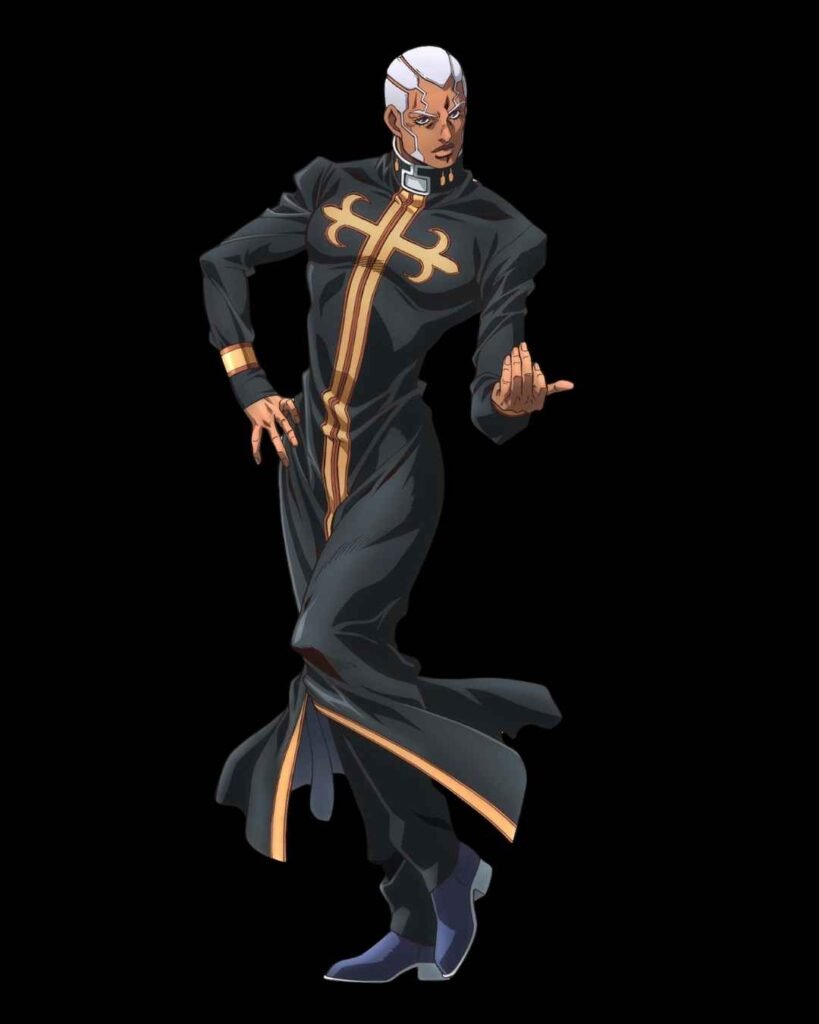
Most JoJo villains get frighteningly close to winning.
Enrico Pucci goes considerably further.
Pucci’s relationship with DIO gives Stone Ocean its larger objective: the idea of achieving “Heaven.” Through Whitesnake, C-Moon and eventually Made in Heaven, Pucci reaches the ability necessary to accelerate time on a universal scale.
His definition of Heaven is also more complicated than simply destroying the world. Pucci believes people will find peace if they already possess subconscious knowledge of their future. If fate cannot be avoided, humanity can at least be mentally prepared for it.
It is deeply fatalistic, and Pucci is willing to kill anyone standing between him and that vision.
Then Made in Heaven activates.
Time accelerates. Jotaro, Jolyne and most of the group die during the battle. The universe reaches its end and a new cycle begins. Pucci has crossed the threshold that every previous JoJo protagonist was trying to stop him from reaching.
This is where the wording matters.
Pucci reaches the reset, but he does not make his victory permanent. Emporio survives, and Pucci tries to kill him before the new cycle can fully settle. That decision backfires spectacularly when Emporio gains Weather Report and kills him. Pucci’s influence is subsequently removed from the resulting reality.
So this is not a clean final victory.
It might be something even rarer in battle anime: the villain wins the climactic objective and then loses the victory afterward.
For a few terrifying moments, the Joestars really were too late.
Join the 24K Anime Community
Be part of the conversation and connect with anime fans worldwide.
2. Shaman King — Hao Becomes the Shaman King
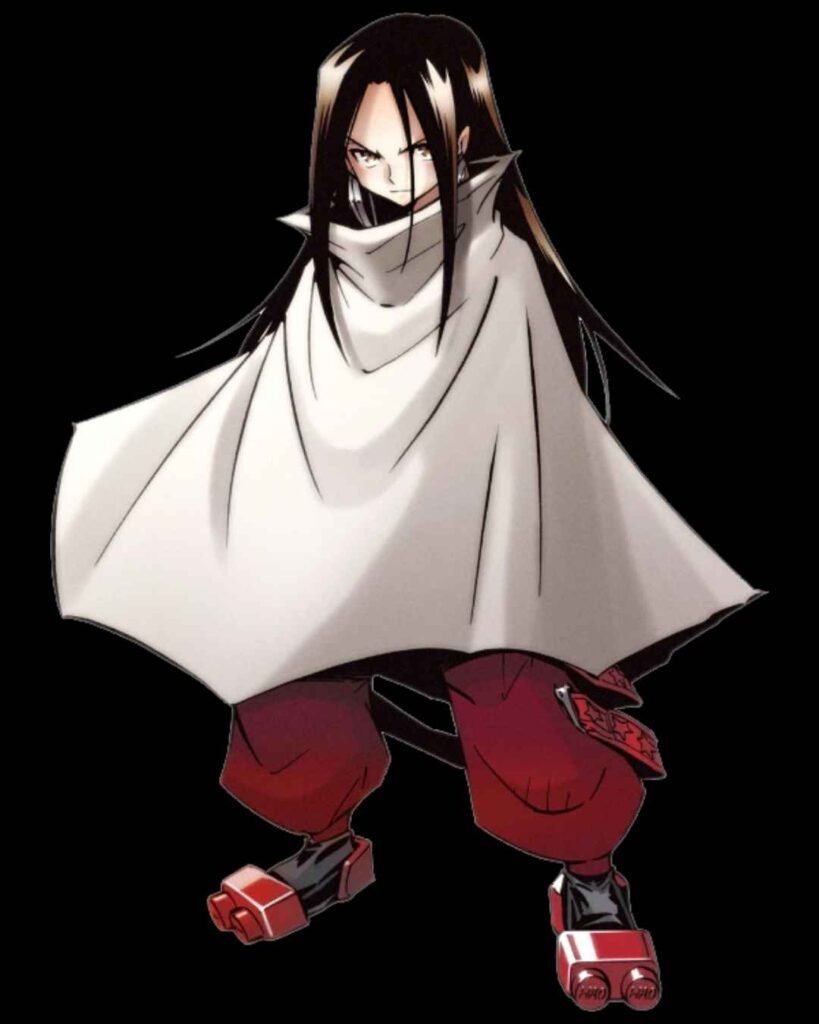
If the criterion is simply, “Did the antagonist accomplish the thing everyone was trying to prevent?”, Hao Asakura might be the cleanest example on this entire list.
The Shaman Fight determines who will become Shaman King and unite with the Great Spirit. Yoh and the others understand exactly what will happen if Hao reaches that position. His overwhelming Furyoku already puts him in another class, and becoming Shaman King would elevate that power to something approaching divinity.
Stopping his ascension therefore becomes the obvious objective.
They don’t.
Near the end of the 2021 Shaman King adaptation, Hao reaches the King’s Shrine and completes the process. The anime’s official episode 52 synopsis is unusually direct about it: Hao has finally become Shaman King and a new god.
There is no technicality here. He won the Shaman Fight.
What changes afterward is not Hao’s ability to achieve the position but what he chooses to do once he has it.
Yoh’s group cannot overpower him in any conventional sense. The resolution instead comes through reaching the remaining human part of Hao, including his history, loneliness and connection to his mother. His plan to eradicate humanity is ultimately abandoned.
That difference is important.
The protagonists prevent Hao from carrying out the worst consequence of his victory. They do not prevent the victory itself.
He wanted to become Shaman King.
He became Shaman King.
1. Berserk — Griffith Sacrifices Everything for His Dream
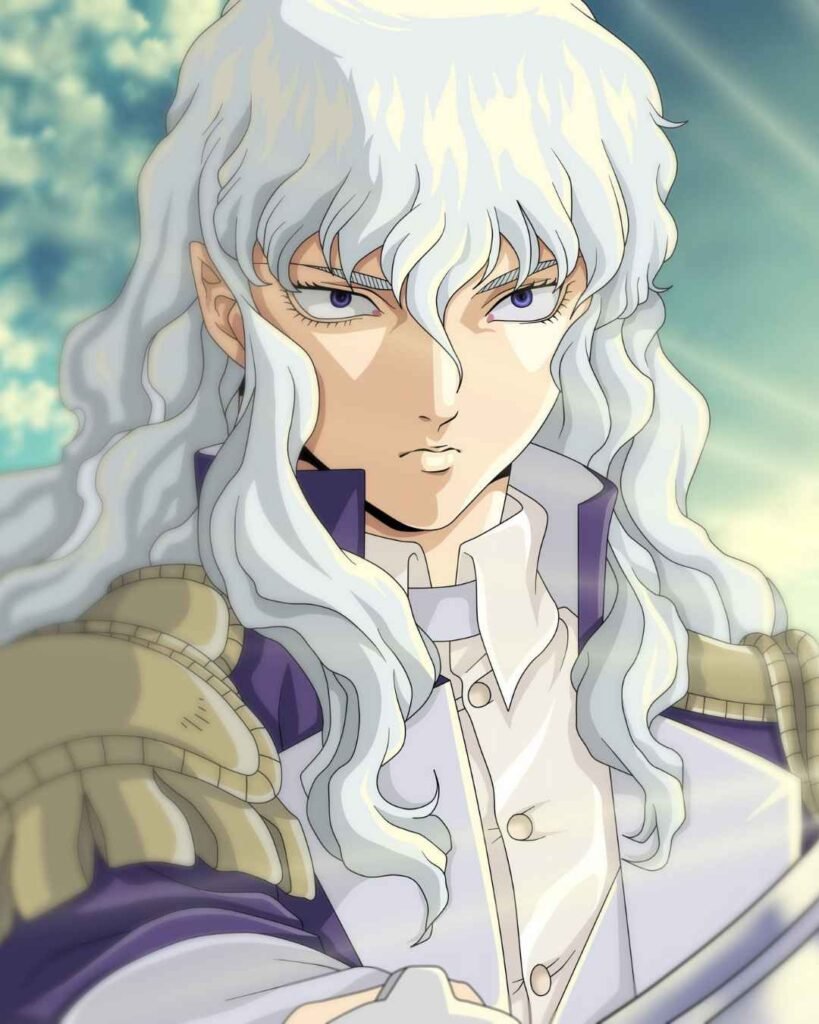
Griffith is probably the most uncomfortable name on this list because his “victory” comes at a cost paid almost entirely by people who trusted him.
From the beginning of Berserk’s Golden Age, Griffith is remarkably clear about his ambition. He wants his own kingdom.
It is not a passing fantasy. The Band of the Hawk fights, bleeds and climbs through Midland’s military hierarchy because Griffith is moving toward that castle in his mind. For a while, he looks frighteningly close to reaching it legitimately.
Then Guts leaves.
Griffith’s subsequent decision to sleep with Princess Charlotte leads to his arrest and a year of torture. By the time Guts and the Hawks rescue him, his body has been destroyed to the point that the future he imagined appears impossible.
And then the Beherit returns.
During the Eclipse, Griffith is offered a path back toward his dream. The price is the Band of the Hawk.
He accepts.
The companions who built his legend are branded and sacrificed, while Griffith is reborn as Femto, the fifth member of the God Hand.
For anime-only viewers, this is where an important qualification is necessary. The adaptations of the Golden Age show Griffith obtaining the supernatural power that allows him to resume his ambition, but they do not yet adapt the later point at which his original dream takes physical form.
That payoff currently exists in the manga.
After returning to the physical world, Griffith builds a new Band of the Hawk, becomes the celebrated Falcon of Light and eventually establishes Falconia, with himself at the center of the new kingdom.
In other words, the boy who once looked toward a distant castle eventually gets something far greater than the position he originally imagined.
That is part of what makes Griffith such an effective antagonist. His story is not built around failing because he became evil. In many ways, his ambition is rewarded.
The horror comes from understanding what he was willing to turn other people into in order to reach it.
When the Hero Wins Too Late
There is an important difference between defeating an antagonist and preventing them from succeeding.
Edward eventually defeats Father, but Father still reaches the power he spent centuries pursuing. Naruto and Sasuke undo the Infinite Tsukuyomi, but Madara still casts it. Emporio destroys Pucci only after reality itself has already been rewritten.
Hao goes even further and legitimately becomes Shaman King.
And Griffith remains the darkest example because his ambition does not simply survive his transformation into Femto. It continues moving forward.
These endings work because they remove one of the safest assumptions in anime storytelling: that the protagonist will arrive just before the point of no return.
Sometimes they don’t.
Sometimes the villain gets there first.
Explore our Top 10 Anime, discover New Anime, or take a Hidden Dive into underrated gems you may have missed.
- Anime Removed From Crunchyroll: Which Shows Disappeared and Why
- Grand Blue Waited Nearly 7 Years for Season 2 — So Why Is Season 4 Already Happening?
- Top 10 Romance Anime to Watch in Fall 2026
- The Dangers in My Heart Manga Ends After Eight Years, Creator Shares Farewell
- Top 10 Dark Shonen Anime Like Demon Slayer You Should Watch in 2026